Date
February 25, 2026
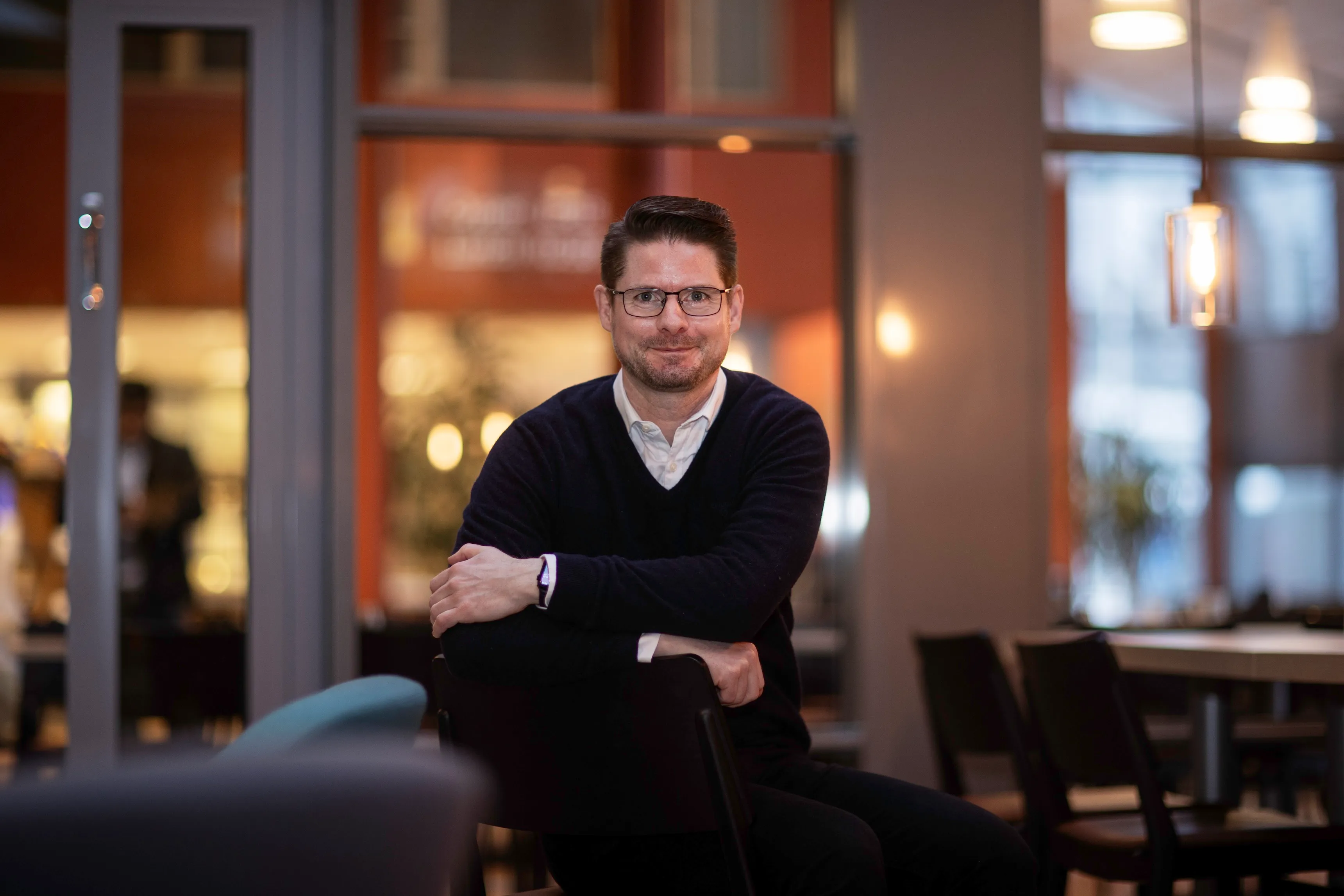
Meet Kristina Jensen System Administrator at Crosskey
With a long career in tech Kristina has experienced a pace of technological change that has been remarkable. The key has been learning not to resist the development but to embrace it.
What inspired you to move into tech, and what was your biggest challenge or considerations?
I entered the industry in the mid‑80s, and since then the pace of technological change has been tremendous. It’s fascinating to look back at how much has evolved, many of the tools and concepts that are standard today didn’t even exist when I first started working in IT.
What attracted me then, and what still motivates me, is the combination of logic and creativity. I’ve always been drawn to problem‑solving and to understanding how systems fit together. Technology offers the possibility to build, automate, optimize, and improve solutions that people rely on every day. It’s both concrete and meaningful, you can see the results of your work and how it makes a difference for others.
The biggest challenge throughout the years has been keeping pace with an industry that never stands still. New tools, platforms, and ways of working appear constantly, and the speed of change can sometimes feel overwhelming. For me, the key has been learning not to resist the development but to embrace it. By viewing continuous learning as a natural part of the profession, rather thana burden, I’ve been able to grow and evolve. That mindset has become one of my greatest strengths and has made the journey both enjoyable and sustainable.
What initiatives or programs have helped you grow professionally?
I’ve benefited from a mix of both formal and informal development opportunities throughout my career. Several initiatives have had a significant impact on my professional growth.
Technical workshops, which helped me deepen my expertise in systems administration.
Cross‑department projects, where I gained insight into business needs and a broader understanding of the overall IT landscape.
Customer projects, which have been especially valuable. Working directly with customers has strengthened my ability to translate technical requirements into practical solutions, improved my communication skills, and given me a deeper understanding of how our systems support real business outcomes.
Internal training initiatives, especially those focused on technical solutions, communication, and agile ways of working.
Together, these initiatives have helped me grow not only in technical competence but also in confidence, collaboration, and professional networking.
What misconceptions about tech careers would you like to demystify?
One common misconception is that you need to be a “coding genius” or have a lifelong passion for computers to succeed in tech. The truth is, the field is incredibly diverse, there’s room for analytical thinkers, creative minds, communicators, organizers, and problem-solvers of all kinds.
Another misconception is that tech roles are solitary. Collaboration is at the heart of everything. You constantly work with people, stakeholders, end users, teammates. Communication is often just as important as technical skill.
What in tech is most interesting, and what trends in tech excite you the most?
What excites me most is how quickly technology evolves and how it continuously reshapes entire industries. There’s always something new to explore.
Trends I’m particularly excited about are AI and automation, not as a replacement for people, but as a way to remove repetitive work and enhance human creativity.
Cybersecurity advancements, especially as threats grow more sophisticated.
Cloud technologies and hybrid infrastructure, which make it possible to build systems that are more scalable, secure, and resilient.
User experience and accessibility improvements, ensuring technology is truly inclusive.
I can keep on but seeing these trends come together to create smarter, more intuitive, and more secure systems is genuinely exciting.
How do you see your role evolving in the next five years?
Over the next five years, I see my role evolving with a stronger focus on, automation and optimization, finding smarter ways to manage infrastructure with less manual work.
Guiding technical best practices and security standards, ensuring that evolving technologies are implemented in a secure and efficient way.
Customer projects, working closely with customers projects will allow me to translate technical requirements into practical solutions, and ensure that infrastructure decisions support long‑term business needs.
Mentoring and leadership, helping others develop their skills and navigate the tech landscape.
Cloud-centric solutions, as systems continue to shift toward hybrid and cloud-native architectures.
Overall, I expect to play a bigger part in shaping strategy, not just supporting systems.
How has Crosskey promoted your career & personal development?
Crosskey has supported my growth by providing an environment where learning is genuinely encouraged. I’ve had opportunities to take training, join cross-functional teams, and work on initiatives that challenged me in the right ways. The culture values curiosity, continuous improvement, and collaboration, all things that have helped me grow both technically and personally.
I’ve also benefitted from supportive colleagues and leaders who emphasize trust and autonomy, which has allowed me to take ownership of my development and pursue areas I’m passionate about.